Carbon Filter Installation in Denver, CO
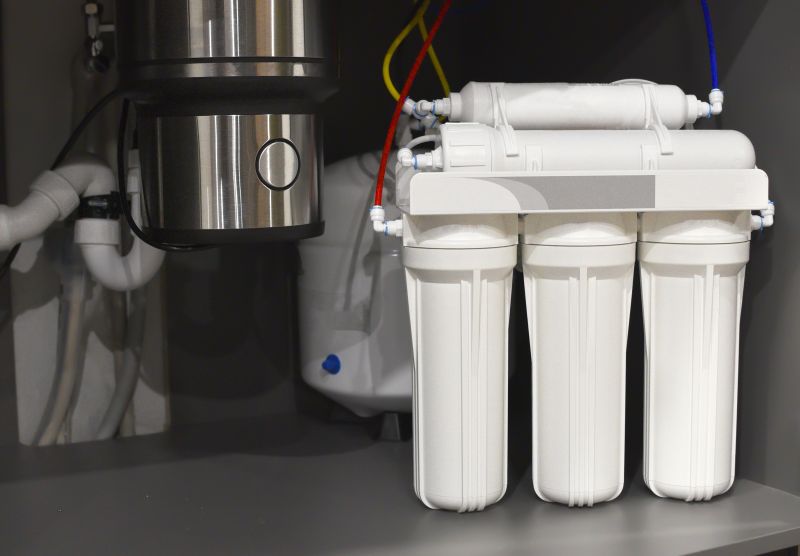
Carbon filter installation services focus on improving indoor air quality by removing odors, volatile organic compounds (VOCs), and airborne contaminants through the use of specialized filtration systems. These services are often requested for projects such as upgrading existing HVAC systems, installing new air purification units, or addressing specific odor issues in homes like those caused by cooking, pets, or smoke. Property owners typically want to understand the types of filters available, how they integrate with current ventilation systems, and the benefits of installing carbon filters to ensure healthier indoor environments.
Before requesting carbon filter installation, homeowners should consider the size of the space, the level of air purification needed, and compatibility with existing heating and cooling systems. It’s also helpful to clarify whether the goal is to eliminate persistent odors, improve overall air quality, or meet specific health concerns. Understanding the scope of the project, the maintenance requirements of the filters, and any potential adjustments needed for optimal performance can help property owners make informed decisions about their air quality improvements.
Many property owners in Denver, CO look into Carbon Filter Installation for repairs, replacements, upgrades, and appearance-related improvements.
Benefits Of Carbon Filter Installation
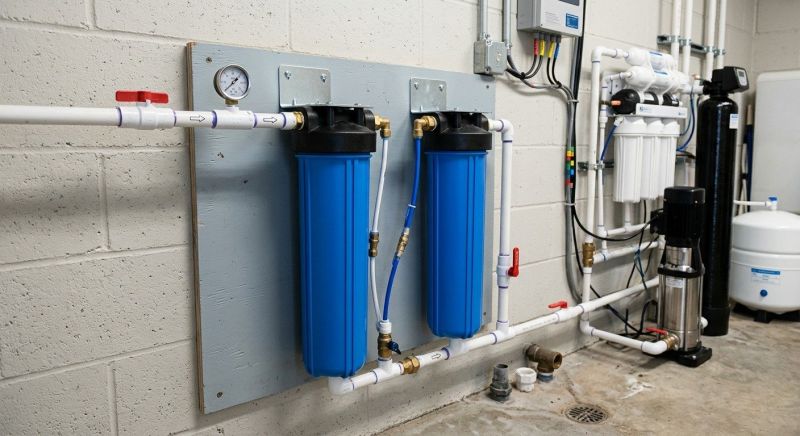
Improves indoor air quality by reducing airborne pollutants and odors.
Common Applications
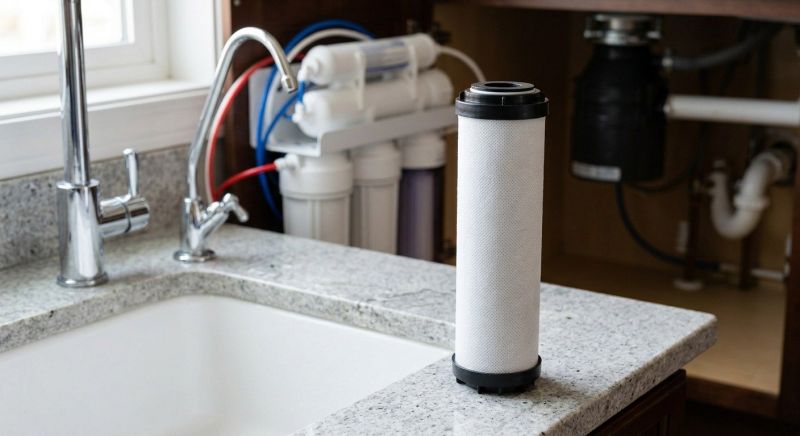
Ideal for homes, apartments, and commercial spaces in denver seeking cleaner air.
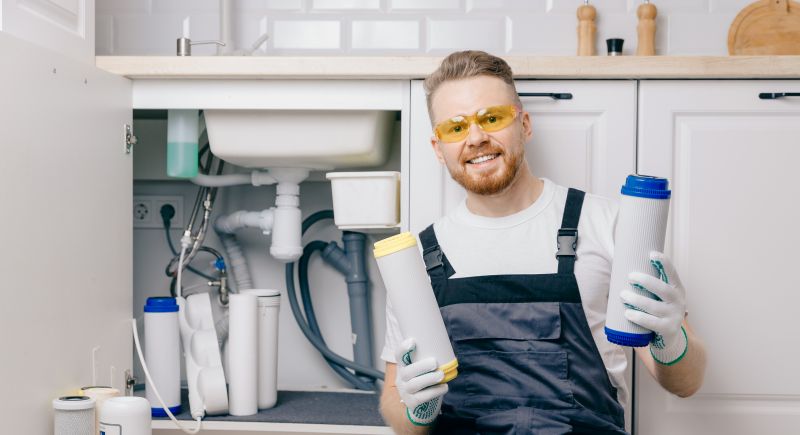
Maintenance And Replacement
Regular filter changes ensure optimal performance and air purification efficiency.
Carbon Filter Installation in Denver, CO

Carbon filter installation services focus on improving indoor air quality by removing odors, volatile organic compounds (VOCs), and airborne contaminants through the use of specialized filtration systems. These services are often requested for projects such as upgrading existing HVAC systems, installing new air purification units, or addressing specific odor issues in homes like those caused by cooking, pets, or smoke. Property owners typically want to understand the types of filters available, how they integrate with current ventilation systems, and the benefits of installing carbon filters to ensure healthier indoor environments.
Before requesting carbon filter installation, homeowners should consider the size of the space, the level of air purification needed, and compatibility with existing heating and cooling systems. It’s also helpful to clarify whether the goal is to eliminate persistent odors, improve overall air quality, or meet specific health concerns. Understanding the scope of the project, the maintenance requirements of the filters, and any potential adjustments needed for optimal performance can help property owners make informed decisions about their air quality improvements.
Many property owners in Denver, CO look into Carbon Filter Installation for repairs, replacements, upgrades, and appearance-related improvements.
Common Carbon Filter Installation Jobs
Residential homes - carbon filter installation improves indoor air quality by removing airborne contaminants.
HVAC systems - integrating carbon filters into existing heating and cooling units helps reduce odors and pollutants.
Commercial properties - installing carbon filters supports healthier work environments and better air circulation.
Air purification units - upgrading or replacing filters ensures optimal performance and cleaner indoor air.
Basements and crawl spaces - carbon filters help control musty smells and improve overall air freshness.
Custom ventilation setups - tailored filter solutions address specific odor and pollution concerns for property owners.
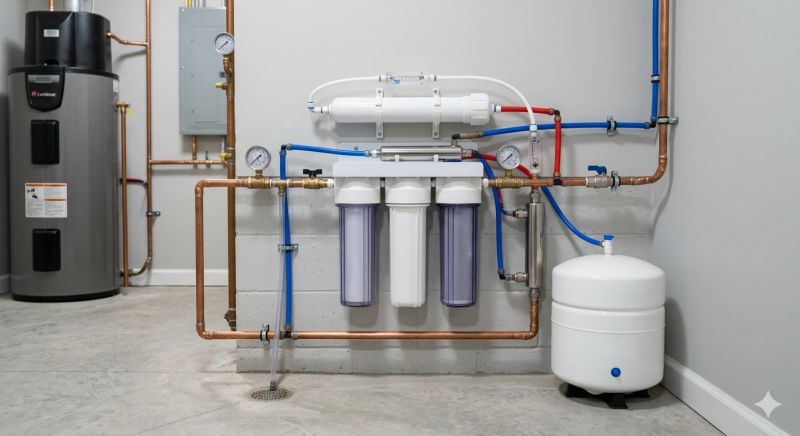
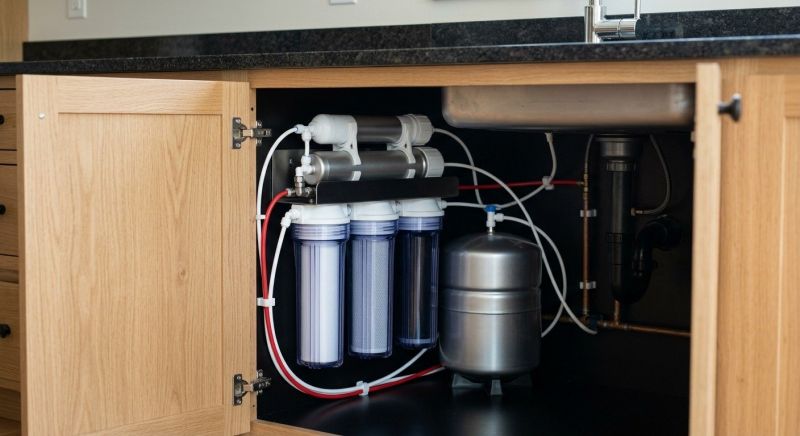
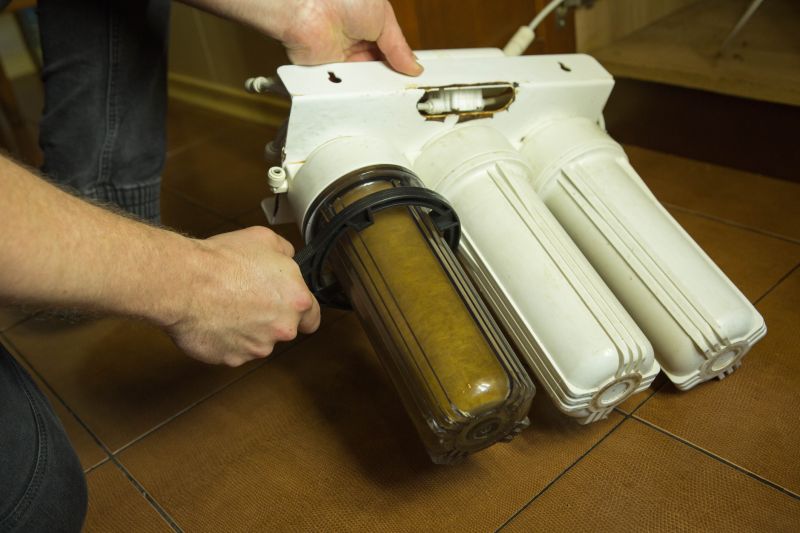
Carbon Filter Installation Questions
What is a carbon filter used for? A carbon filter is used to remove odors, gases, and airborne contaminants from indoor air or water systems.
Where can carbon filters be installed? They are commonly installed in HVAC systems, kitchen range hoods, and water purification setups within homes and properties.
How often should a carbon filter be replaced? Replacement frequency depends on usage, but generally every 6 to 12 months is recommended for optimal performance.
What signs indicate a carbon filter needs replacement? Noticeable odors, reduced air or water quality, or decreased system efficiency can signal it's time for a new filter.
Request Carbon Filter Installation in Denver, CO
Use the quote form on this page to share the basics of your project and request more information for the type of work you need.